

The mood, in one word: buzzing
TechCabal's Phathisani Moyo on a drone company Africa perfected, the MTN and Telkom talks, and how not to get scammed.
On Just Business, Lindi Tshabangu spoke to Phathisani Moyo, head of TechCabal's South Africa desk, from the opening day of Africa Tech Festival in Cape Town. He recapped TechCabal's Moonshot in Lagos, reported on the buzz around talks between MTN and Telkom, told the story of a drone company that Africa helped make, announced a new TechCabal newsletter for South Africa, and gave listeners advice for International Fraud Awareness Week: if it looks too good to be true, double check.
He joined by phone on Tuesday 17 November 2026, between sessions, as part of his fortnightly slot on the show. Lindi welcomed listeners in the UK, Germany and Belgium, and Spain, which joined Just Business for the first time that evening. She was not in Cape Town, she joked, but JustGospel Radio was represented.
Back from Lagos
Lindi started with Moonshot, and described TechCabal as the sponsor of the event. Phathisani made a small correction. Moonshot is TechCabal's headline event, he said, and a lot of partners come on board to make it work. TechCabal does the admin and is the custodian, but its tech friends make every year a spectacular show. The numbers speak for themselves: 7,500 people over two days.
What stayed with him was the ambition and drive of the young people in West Africa. The next big thing out of Africa is going to come from them, he said, and what they need is financial backing, which is starting to arrive. Some of the companies he met are turning over around $50 million a year. The headline sponsor this year was run by a founder who is only 31 and who is running a multi-country operation, one of the upcoming big fintechs. Lindi said it was heartening to hear, since Africa has such a young population and at the same time high unemployment, in South Africa and across the continent.
Cape Town, in one word
Back home, Lindi asked what the mood is at Africa Tech Festival. His one word was buzzing.
If you are not here, then where are you?
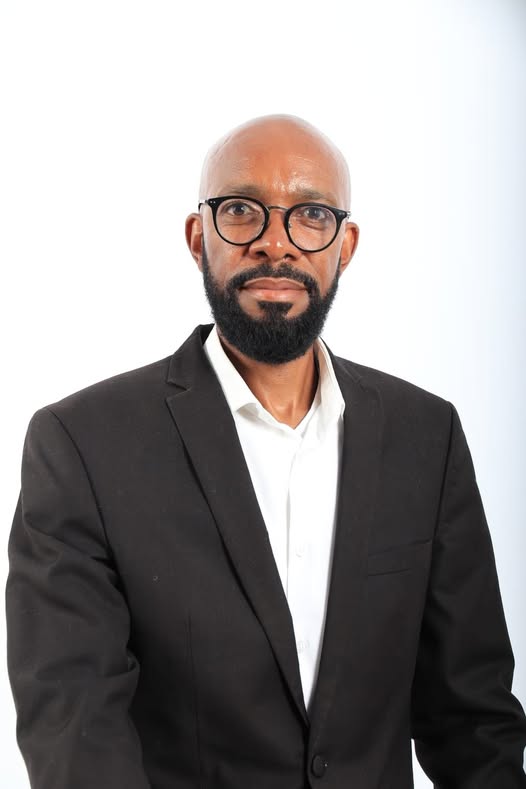
Phathisani MoyoBy the number of companies and the number of people, he said, it is the tech festival in Africa. It has been running for 16 years, and over the next three or four days it is expecting between 30,000 and 35,000 people. The Deputy President opened it on Tuesday. Everyone is there, from the listed companies to the banks and the telcos, and everybody wants to network and collaborate.
One story is unfolding right on the floor: MTN reviving talks to buy Telkom. Phathisani covered it the day before, and that morning he sat through the Telkom CEO's presentation of the company's six-month results, which were very good. The CEO told him that the strength of those results helps his negotiation with MTN, and delegates are taking the deal seriously. Put the two together, he said, and you have a monster of a company, Telkom with its infrastructure businesses and MTN, the biggest mobile operator in Africa, which has just bought back its IHS towers. He half-joked that Lindi should buy her Telkom shares, then was careful to add that he is not saying the deal will cross the line. His point was that these are the conversations families should be having at home while it is still early. None of this is financial advice.
The company Africa perfected
Phathisani moderated two sessions on the opening day, both on AI, and said the talk on the floor is all AI. He used Zipline as his example. It makes drones, but its core business is using them to deliver medicine, groceries and anything else to places that are hard to reach. It is an American company, and funnily enough, he said, it could not break through and commercialise in the US. It took a brave decision and looked to Africa, and Rwanda welcomed it with open arms. It started when women were dying from maternal health problems in Rwanda and drones carried medicine to the rural areas.
Today, he said, the company is valued at 21.5 billion. It operates in Côte d'Ivoire, Kenya, Ghana, Nigeria and the US as well as Rwanda, and it is now taking its model back to the first world, where it delivers groceries door to door. The factories that build the drones are in Africa, which means jobs for young people, and the next phase is to train new drone pilots and engineers. He sat with the company's head of HR, since the CEO could not attend, and the room was keen to hear the story.
When a human has to step in
The harder AI conversation at the festival, he said, is that AI is moving beyond creating content and making recommendations. It is now making decisions that affect health, work, business and everyday life. If a doctor relies on an AI that gets a diagnosis completely wrong, it can be fatal, and then who takes responsibility: the doctor, the hospital, or the technology behind it? In mining, AI does a lot of the work, but somebody has to watch the AI. He is looking forward to the sessions on when human intervention is required, and on what the industry is doing to regulate AI.
Technology, he said, is already making life harder for criminals, and he pointed at the Madlanga Commission, which he said has succeeded largely because it followed the digital footprints of the people involved: their cell phones, their messages, the money they wired. All of that is data, and without it, he said, the commission would not have had its success.
If it's too good to be true
Because it is International Fraud Awareness Week, which started on 15 November, Lindi asked for his advice, and fraud is one of the key topics at the festival too. The same AI that helps banks and police move faster, he said, helps criminals. It can fake celebrities, doctors and billionaires. It can generate your voice. Fraud works on your gullibility, he said, and the spike in fraud around Christmas is what he calls the mid-season.
If it's too good to be true, double check.
Phathisani Moyo on Just Business
He added that so much of our lives now sits on our cell phones, from banking to accounts, and that those need to be secured. Then there is data beyond our control, such as what you give to a bank or hospital, and companies in Africa that have not all reached the standard for firewalls. It is difficult to keep up with the criminals, he said, so practise your own personal security and do not leave it to the bank or the insurer to become the second part of the story after you have already been a victim.
Lindi added a warning from her own phone. That day she received a WhatsApp message claiming that a certain bank was being targeted and telling customers not to use biometric authentication but to enter an OTP sent by SMS. If you have set up your bank with your biometrics, she said, keep using them, do not accept another method until you have spoken to somebody at the bank, and do not authenticate anything that arrives by SMS. Phathisani agreed and added two more habits: keep two-step verification on your WhatsApp, and be wary of anonymous friend requests, which are how many people have had their WhatsApp hijacked and ended up with messages asking for money.
Tomorrow: TC Mzansi
Then he broke some news on air. On Wednesday 18 November, at Africa Tech Festival, TechCabal launches TC Mzansi, a newsletter for South Africa. It comes six months after the South Africa desk started and already runs a weekly column, and he said it was a splash to be launching on the biggest stage in Africa. Lindi pointed out that Spain, the UK, Germany and Belgium had heard it first on Just Business.
Also on that Wednesday he was to sit down one-on-one for an hour with one of South Africa's leading business and tech figures, a woman from Soweto who rose to the top of corporate life. His reasoning is that we often mystify the people behind innovation as if they were not human, and he hopes a young girl from Soweto can look at her as a mirror. Lindi asked for a recording to post on the JustGospel page.
His parting shot returned to those living-room conversations. The MTN and Telkom story, he said, is an opportunity for friends and families to talk about long-term investment that could benefit them in later years, and not to leave it too late. Lindi closed by saying it is up to Africans to come up with Africa's own solutions.
The Newsletter
TC Mzansi
TechCabal's new newsletter for South Africa
Announced on Just Business and launched at Africa Tech Festival, from the TechCabal South Africa desk that Phathisani Moyo leads.
Quick Answers
Who is Phathisani Moyo?
Phathisani Moyo is the head of the South Africa desk at TechCabal, the pan-African technology publication, with about 20 years in journalism. He joins Just Business every second Tuesday to unpack what is happening in tech and the digital economy.
What is Africa Tech Festival?
Africa Tech Festival is held in Cape Town and is, according to Phathisani Moyo, the biggest technology event in Africa by the number of companies and people attending. It has run for 16 years, was opened this year by the Deputy President, and was expecting between 30,000 and 35,000 people.
What is TC Mzansi?
TC Mzansi is TechCabal's new newsletter for South Africa. It was announced at Africa Tech Festival on Wednesday 18 November 2026, after the South Africa desk had been in the market for six months and already runs a weekly column.
What is Zipline?
Zipline is a drone company that started in Rwanda delivering medicine to rural areas, including for maternal health. According to Phathisani Moyo, it now delivers groceries and other goods, operates in several African countries and the US, builds its drones in Africa, and is valued at 21.5 billion.
How can I protect myself from fraud that uses AI?
Phathisani Moyo says fraud works on your gullibility, so if a message or email looks too good to be true, double check it. Secure the banking and personal details on your phone, keep two-step verification on WhatsApp, ignore anonymous friend requests, and speak to your bank directly before accepting any request to change how you authenticate.
Phathisani Moyo
Head of the South Africa desk · TechCabal
Phathisani is a journalist with about 20 years' experience covering business, technology and public affairs across Africa. Born and raised in Bulawayo, he moved to South Africa in 2011, and has been news editor at Independent Media and worked for the United Nations before joining TechCabal to lead its South African coverage. He joins Just Business every second Tuesday.